
Keep gambling within limits you can afford
Gambling is not an income plan and losses are a normal possible outcome. Shuffle publishes responsible-gambling tools including loss limits, wager limits, session-time limits and self-exclusion. This page explains how to use the idea behind those controls before gambling becomes difficult to stop.
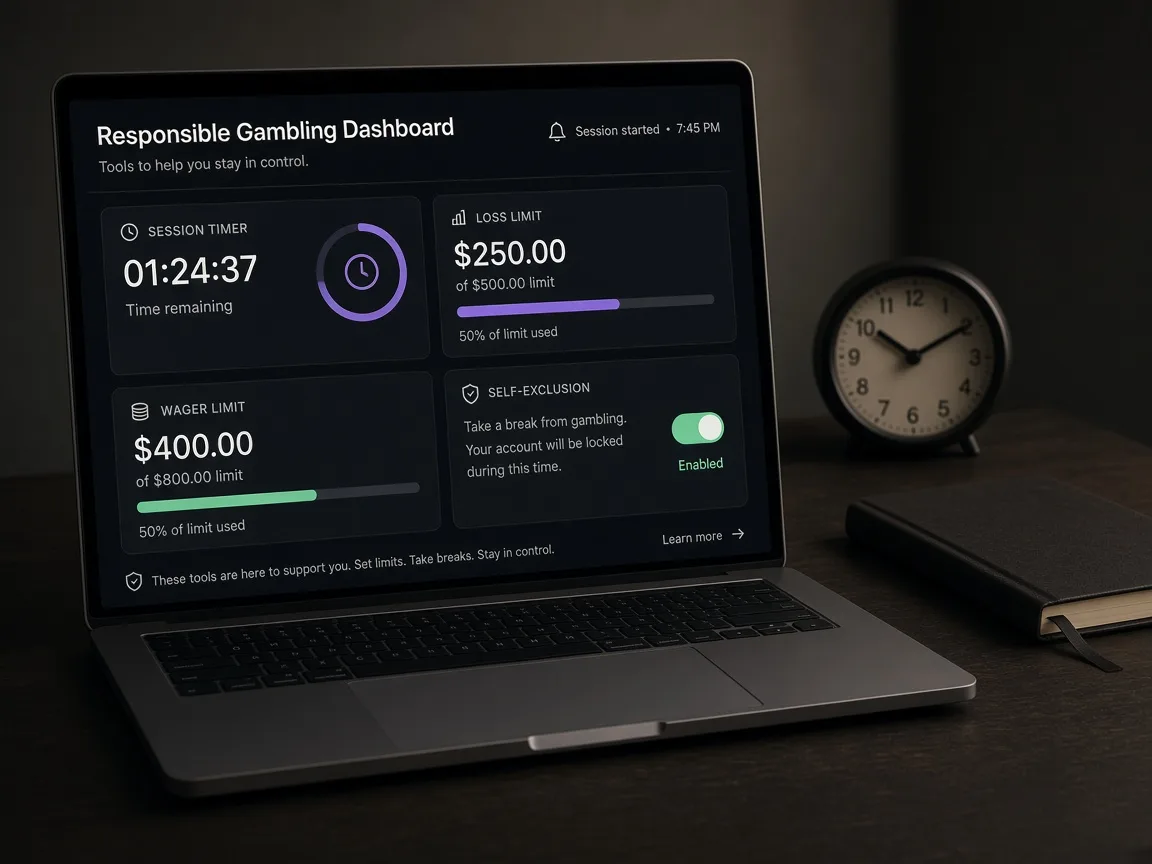
Set limits before a session, not after losses
The strongest limit is one chosen while you are calm and not trying to recover money.
Loss limit
Decide the maximum amount you can lose as entertainment spending. Stop when that amount is reached.
Wager limit
Cap total wagering so repeated small bets do not quietly become a much larger session.
Session time
Set an end time. Continuous mobile access can make it easy to lose track of duration.
Self-exclusion
If limits are repeatedly broken or gambling causes harm, use self-exclusion rather than relying on willpower during a high-risk moment.

Take action when gambling stops feeling like optional entertainment
- Trying to win back losses immediately
- Increasing deposits after a losing session
- Borrowing money or using essential living funds
- Hiding gambling activity from people close to you
- Playing longer than intended again and again
- Feeling anxious, angry or unable to stop when not gambling
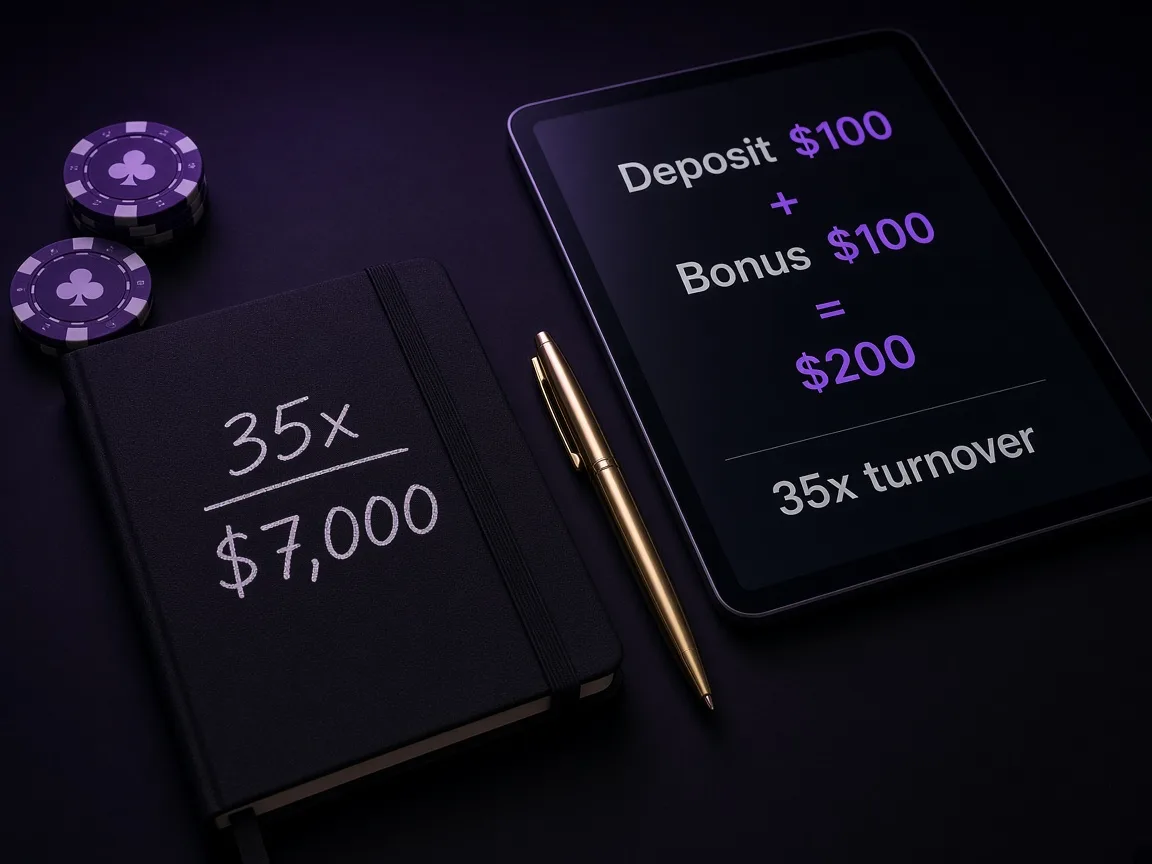
Rollover can create a false feeling that you “must keep playing”
A 35× wagering condition can be substantial. If a bonus makes you feel committed to wager more than you otherwise would, forfeiting the promotion can be safer than chasing completion.
Promotional value is never more important than your financial limit.

Do not bypass a restriction you set for your own protection
Shuffle's responsible-gambling policy states that self-exclusion is part of its player-protection framework. This site will not provide instructions for creating replacement accounts, using location workarounds or otherwise defeating a self-exclusion decision.
If gambling is causing immediate financial or personal harm, stop depositing and wagering. Contact a qualified local problem-gambling or mental-health support service in your jurisdiction, or emergency services if there is an immediate safety risk.
Only gamble with money you can lose without changing your life
If losing the planned amount would affect rent, food, debt payments, savings goals or relationships, the amount is not affordable gambling money.
Control money and time before gambling begins
Set a maximum loss and maximum session duration before opening the casino. The budget should exclude rent, food, bills, debt payments, savings goals and emergency funds. Stop at the limit even when a bonus is unfinished or a recent loss creates pressure to continue.
Warning signs include chasing losses, increasing stakes to recover money, borrowing, hiding activity, repeated failed attempts to stop or viewing bonus turnover as an obligation. If gambling is causing harm, stop using the account and seek self-exclusion or qualified support.
- Treat crypto volatility as an additional risk, not as part of a gambling strategy.
- Do not gamble while impaired, distressed or trying to solve financial problems.
- Use account limits or exclusion tools where available.
- Seek local gambling-support services if controlling play becomes difficult.